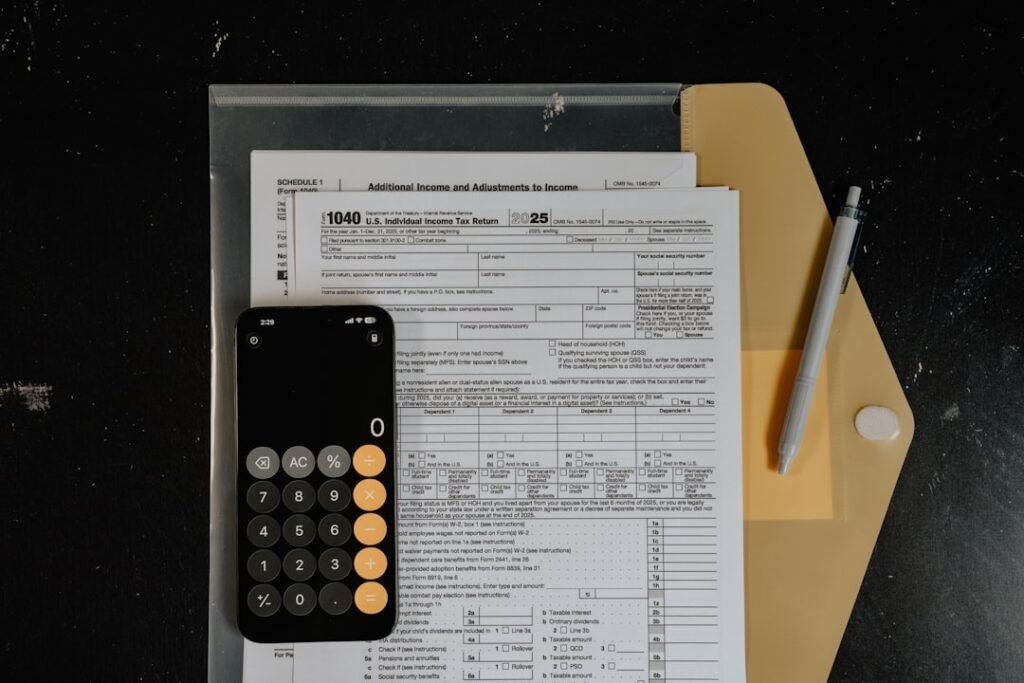
Hey fellow hustlers! If you’re anything like me, you probably got into gig work for the freedom, the flexibility, and the ability to be your own boss. Sounds great on paper, right? But then reality hits. One minute you’re crushing it with a massive payout from DoorDash, the next you’re staring at a surprise tax bill that feels like it came from another planet. Or maybe you’re an Etsy seller wondering where all your profit went after supplies, fees, and, yep, taxes. Sound familiar? That’s where a solid gig worker financial planning strategy for 2026 comes in.
For years, I pieced together my financial life as a freelancer and gig worker, making plenty of mistakes along the way. I’ve learned the hard way about underestimating quarterly taxes, the panic of an empty emergency fund, and the sheer joy of finding a deduction I didn’t know existed. This isn’t just theory; it’s the practical, real-world advice I wish someone had given me when I first started. We’re going to dive deep into everything from tracking every penny to setting up retirement, all designed to make your financial life less stressful and more profitable. Let’s get your money game strong for 2026 and beyond!
Key Takeaways
- Track Everything: Every dollar in, every dollar out. This is non-negotiable for gig workers.
- Budget for Volatility: Embrace the feast-and-famine cycle with a flexible budget and a dedicated “income smoothing” fund.
- Save for Taxes NOW: Set aside 25-35% of *every* payment for self-employment and income taxes. Seriously.
- Max Out Deductions: Learn what you can deduct (mileage, home office, supplies) to lower your taxable income.
- Build a Robust Emergency Fund: Aim for 6-12 months of living expenses – gig work needs a bigger cushion.
- Plan for Retirement & Healthcare: Don’t let the lack of employer benefits stop you from securing your future.
The Gig Worker Financial Mindset: Embracing the Rollercoaster
First off, let’s be real. Gig work isn’t a steady paycheck. It’s a financial rollercoaster with thrilling highs and stomach-dropping lows. The biggest mistake you can make is treating your gig income like a traditional salary. You can’t. You’re not just an earner; you’re a small business owner, and your financial planning needs to reflect that.
Your Business, Your Money
Think of yourself as “Your Name, Inc.” When money comes in from Uber, Fiverr, or your freelance clients, it’s revenue for your business, not immediately your personal spending money. This mental shift is crucial. It means a portion of that money belongs to the IRS, another portion might be for future business expenses, and only then do you pay yourself.
Mastering Your Income & Expenses: Every Penny Counts
This is the foundation. Without knowing what’s coming in and going out, you’re flying blind. And trust me, the IRS doesn’t appreciate blind flying.
Income Tracking: Your Profit & Loss Statement
Platforms like Uber, DoorDash, and Instacart provide income summaries, but if you’re juggling multiple apps or have diverse income streams (Etsy + freelance writing), you need a consolidated view. I personally use QuickBooks Self-Employed, which links to my bank accounts and categorizes transactions automatically. Other options include FreshBooks, Wave, or even a detailed spreadsheet.
- Why it matters: To understand your actual income, forecast future earnings, and, most importantly, accurately report to the IRS.
- Form 1099-NEC & 1099-K: As a gig worker, you’ll likely receive these forms. For 2026, if you earn $600 or more from a single client or platform, you should receive a Form 1099-NEC (Nonemployee Compensation). For payment apps, the Form 1099-K threshold is expected to be $600 for 2026, though it has been higher recently. Always report *all* your income, regardless of whether you receive a form!
Expense Tracking: Your Deduction Goldmine
Here’s where you can save a ton of money. Every legitimate business expense reduces your taxable income. This connects to understanding tax deductions. Don’t leave money on the table!
- Mileage: If you drive for work (delivery, rideshare, client meetings), tracking mileage is HUGE. The standard mileage rate for 2026 is expected to be around 68 cents per mile (always check the official IRS guidance for the exact, final rate). I use apps like Everlance or MileIQ to automatically track my trips. Seriously, this deduction alone can save you hundreds, if not thousands, of dollars.
- Home Office: If you have a dedicated space used *exclusively* for business, you might qualify for the home office deduction. You can use the simplified option ($5 per square foot, up to 300 sq ft) or the regular method.
- Supplies & Equipment: Phones, data plans, laptop, printer, specific tools for your craft (e.g., photography equipment, art supplies), cleaning supplies for your car – keep receipts!
- Software & Subscriptions: Any software essential for your gig (editing software, scheduling apps, premium tracking apps).
- Professional Development: Courses, workshops, industry magazines related to your gig.
- Fees & Commissions: Platform fees (Uber’s cut, Etsy listing fees, PayPal fees).
- Health Insurance Premiums: If you pay for your own health insurance, you might be able to deduct these premiums as a self-employed health insurance deduction.
Keep digital copies of all receipts. An app like Expensify or even just a dedicated folder in Google Drive or Dropbox can be a lifesaver.
Budgeting for the Gig Life
Traditional budgeting advice often falls flat for gig workers. You need flexibility. I recommend a “bucket” approach:
- Tax Bucket (25-35%): Immediately set aside a percentage of *every* payment.
- Savings Bucket (10-20%): Emergency fund, retirement, future goals.
- Business Expenses Bucket (5-10%): For supplies, software renewals, unexpected repairs.
- Personal Paycheck Bucket (The Rest): This is what you pay yourself. Try to pay yourself a consistent “salary” each week or month, even if your gig income fluctuates. This requires having a buffer in your business account to smooth out the lows.
Tackling Taxes Like a Pro: No More Surprises!
This is usually the biggest pain point for gig workers. But it doesn’t have to be!
Self-Employment Tax: The Big One
As a gig worker, you’re self-employed. This means you pay both the employer and employee portions of Social Security and Medicare taxes, known as Self-Employment (SE) Tax. For 2026, the self-employment tax rate is 15.3% on your net earnings (12.4% for Social Security up to the annual limit, and 2.9% for Medicare with no limit). You also get to deduct one-half of your self-employment tax when calculating your adjusted gross income.
- IRS Publication 535: Business Expenses.
- IRS Publication 505: Tax Withholding and Estimated Tax.
- Schedule C: Where you report your business income and expenses.
- Schedule SE: Where you calculate your self-employment tax.
Quarterly Estimated Taxes: Your New Best Friend
The IRS wants its money throughout the year, not just on April 15th. If you expect to owe at least $1,000 in taxes for the year, you need to pay estimated taxes quarterly. Missing these deadlines can result in penalties. You’ll also want to know about quarterly taxes.
| Earning Period | Payment Due Date (2026) | What to Pay |
|---|---|---|
| Jan 1 to March 31 | April 15, 2026 | Estimated taxes for Q1 |
| April 1 to May 31 | June 15, 2026 | Estimated taxes for Q2 |
| June 1 to Aug 31 | September 15, 2026 | Estimated taxes for Q3 |
| Sept 1 to Dec 31 | January 15, 2027 | Estimated taxes for Q4 (for 2026 income) |
*If a due date falls on a weekend or holiday, the deadline shifts to the next business day.
I pay mine online directly through IRS.gov (IRS Direct Pay). It’s super easy. Calculate your estimated tax liability using Form 1040-ES.
Finding a Tax Professional
Honestly, once your gig income gets beyond a simple side hustle, I highly recommend hiring a tax professional who understands self-employment. They can identify deductions you might miss and ensure you’re compliant. It’s an expense that often pays for itself.
Building Your Safety Net: Emergency Fund & Insurance
Without employer benefits, your safety net is entirely up to you. Don’t skimp here.
The Emergency Fund: Your Gig Cushion
This is your “Income Smoothing Fund” and your “Life Happens Fund.” Because income fluctuates, I recommend gig workers aim for 6 to 12 months of living expenses in an easily accessible, high-yield savings account. This covers slow periods, unexpected car repairs, or even a sudden illness.
Healthcare & Other Insurance
No employer means no employer-sponsored health insurance. Explore options like:
- Healthcare.gov: The Affordable Care Act (ACA) marketplace offers subsidies based on income.
- Professional Organizations: Some offer group insurance plans.
- Spouse’s Plan: If available, often the most cost-effective.
- Disability Insurance: If your income depends on your physical ability, short-term and long-term disability insurance is crucial.
- Liability Insurance: Depending on your gig (e.g., delivering food, working with clients in person), general liability insurance might be a smart move to protect your assets.
Planning for Tomorrow: Retirement & Debt
It’s easy to focus on today’s hustle, but tomorrow will come, and you deserve a secure future.
Retirement Accounts for the Self-Employed
The good news? You have excellent options to save for retirement and get tax breaks!
- SEP IRA (Simplified Employee Pension): Easy to set up, high contribution limits. You can contribute a significant percentage of your net earnings (up to 25% of your net self-employment earnings, capped at $69,000 for 2024 – 2026 limits will be similar/higher).
- Solo 401(k): Even higher contribution limits if you’re the only employee. You can contribute as both the “employee” and “employer.”
- Traditional or Roth IRA: Basic options for anyone, self-employed or not.
Start small, but start now. Even $50 a month into a Roth IRA is better than nothing.
Debt Management
High-interest debt (credit cards, personal loans) can derail your financial plans quickly. Prioritize paying these down using strategies like the debt snowball or avalanche method. The less money you’re spending on interest, the more you have to invest in your future.
Tools & Resources I Swear By
- QuickBooks Self-Employed: My go-to for income/expense tracking