Hey there, fellow hustlers! Sound familiar? You just had a fantastic week driving for DoorDash, delivering for Instacart, or slinging your custom art on Etsy. Your bank account looks healthy, and you feel on top of the world. Then, BAM! The next week is crickets. App algorithms change, a big custom order falls through, or your car needs an unexpected (and expensive) repair. Suddenly, that financial high plummets into a pit of anxiety.
I’ve been there. More times than I care to admit. As someone who navigates the gig economy landscape, I know the feast-or-famine cycle can make building an emergency fund feel like trying to catch smoke with a net. Traditional financial advice often preaches “save X amount from each paycheck,” which is great if your paycheck is, you know, *regular*. For us, it’s a whole different ballgame.
But here’s the thing: building an emergency fund isn’t just possible with irregular income; it’s absolutely essential. It’s your safety net against the unpredictable nature of gig work, unexpected life events, and the dreaded “dead weeks.” Trust me, future-you will thank past-you for every dollar you squirrel away. In this comprehensive guide, I’m going to share the exact strategies I’ve used, packed with real-world insights, specific numbers, and critical tax considerations for 2026 to help you finally build that financial buffer.
Key Takeaways
- Adopt a “Pay Yourself First” Mindset: Treat your emergency fund as a non-negotiable expense.
- Calculate Your “Bare Bones” Monthly Expenses: Aim for 3-6 months saved.
- Automate Savings from “Feast” Weeks: Set up automatic transfers for good income periods.
- Separate Your Business & Personal Finances: Crucial for clarity and tax prep.
- Factor in Quarterly Taxes: Your emergency fund can prevent tax season panic.
Why an Emergency Fund is Your Best Friend in the Gig Economy
Let’s be honest, the gig economy offers incredible freedom, but it comes with zero benefits. No paid time off, no sick leave, no health insurance (unless you buy it yourself), and definitely no severance package. That means if you can’t work due to illness, injury, or your primary income source dries up, there’s nothing cushioning your fall. An emergency fund changes that.
Think of it as your personal unemployment insurance. A typical emergency fund covers 3 to 6 months of essential living expenses. For us gig workers, I honestly lean towards the 6-month mark, given the inherent volatility. This fund isn’t for a new gaming console or a vacation; it’s strictly for job loss, medical emergencies, car trouble, or other unexpected financial crises that would otherwise derail your entire operation. It buys you peace of mind and time to pivot if your primary hustle disappears.
Step 1: Know Your Numbers – The “Bare Bones” Budget
Before you can save, you need to know exactly what you’re saving for. This isn’t your fantasy budget with daily lattes and weekly takeout. This is your “if everything went south” budget. Grab a spreadsheet or a notebook, and list your truly non-negotiable monthly expenses:
- Rent/Mortgage: $X
- Utilities (electricity, gas, water, internet): $X
- Groceries (essential, not gourmet): $X
- Transportation (gas, basic car maintenance, public transit): $X
- Minimum loan payments (student, car, credit card): $X
- Essential insurance (car, health): $X
- Phone bill: $X
Add those up. Let’s say your “bare bones” comes to $2,000 per month. Your emergency fund goal would then be $6,000 to $12,000. That might seem daunting, but we’re going to break it down.
Separate Your Business and Personal Finances – Seriously, Do It Now
This is crucial for both budgeting and tax purposes. When you’re a gig worker, you’re a business. Treat your money that way. Open a separate checking account for all your business income and expenses. This makes tracking revenue and tax deductions so much easier. Trust me, trying to untangle a messy personal account at tax time is a nightmare. Plus, it gives you a clearer picture of what’s truly profit versus what needs to be set aside for taxes and savings.
Step 2: The “Pay Yourself First” Strategy (Gig Worker Edition)
This is the cornerstone of building an emergency fund with irregular income. Instead of saving what’s left over, you allocate a portion of every payment you receive *before* it hits your main spending account. Here’s how I do it:
The Percentage Rule: My Go-To Method
When I started out driving for Uber, I realized quickly that if I didn’t set aside money immediately, it would just disappear. So, I adopted a percentage rule. For every payment that comes in (from Uber, an Etsy sale, a freelance project, whatever), I immediately transfer a set percentage to different “buckets.”
- 10-15% for Emergency Fund: This is non-negotiable.
- 25-30% for Taxes: More on this in a bit, but this is critical.
- 5-10% for Business Expenses/Replenishment: For things like gas, supplies, software subscriptions.
So, if I earn $100 from a DoorDash delivery run, I’d immediately transfer $10-15 to my emergency fund savings account and $25-30 to my tax savings account. The remaining $55-65 is what I consider my actual “take-home” pay. This makes the feast weeks incredibly powerful for building up your safety net.
Automate Your Savings (Even When Irregular)
While traditional automation (e.g., $50 every Friday) might not work perfectly, you can still automate aspects. Many banks allow you to set up recurring transfers from your checking account to a separate savings account. During a “feast” week, when you see a higher balance, manually initiate a larger transfer. Apps like Chime or Acorns also have “round-up” features that can automatically transfer small amounts to savings every time you make a purchase. Every little bit truly adds up.
Step 3: Leverage “Feast” Weeks and Windfalls
This is where irregular income can actually be an advantage. When you have a really good week or month – a big client project, a surge in app demand, or a successful product launch – resist the urge to immediately upgrade your lifestyle. Instead, supercharge your emergency fund.
- Extra Shifts: If Uber is offering surge pricing, or there’s a bonus for completing extra deliveries, grab it! Don’t spend that extra $50-$100; send it straight to savings.
- Unexpected Income: Did you get a tax refund? Sell something old on Facebook Marketplace for $200? Instead of seeing it as “fun money,” see it as an opportunity to hit your emergency fund goal faster.
- Bonus Payments: Some platforms offer sign-up bonuses or referral incentives. Those are perfect for your emergency fund.
Step 4: Don’t Forget About Taxes – Your Emergency Fund’s Silent Partner
This is where many new gig workers stumble, and it ties directly into financial stability. As a self-employed individual, you’re responsible for paying self-employment taxes (Social Security and Medicare) as well as income tax. The IRS requires you to pay estimated taxes quarterly if you expect to owe at least $1,000 in taxes for the year.
Understanding Quarterly Taxes for 2026
The self-employment tax rate for 2026 remains 15.3% (12.4% for Social Security up to the annual limit, and 2.9% for Medicare, which has no limit). This is in *addition* to your regular income tax. So, that 25-30% I mentioned earlier for taxes? That’s a realistic starting point for most gig workers. If you don’t save for this, you’ll be scrambling at tax time, potentially draining your emergency fund or going into debt. Your emergency fund can prevent this panic.
Here are the estimated tax due dates for 2026 (they typically fall on the 15th of the month, or the next business day if the 15th is a weekend or holiday):
| Earning Period | 2026 Payment Due Date |
|---|---|
| January 1 to March 31 | April 15, 2026 |
| April 1 to May 31 | June 15, 2026 |
| June 1 to August 31 | September 15, 2026 |
| September 1 to December 31 | January 15, 2027 |
Remember, the IRS expects you to pay as you go. Missing these deadlines can result in penalties. Always consult IRS Publication 505, “Tax Withholding and Estimated Tax,” for the most accurate and up-to-date information.
Tax Forms and Thresholds You Need to Know
- Form 1099-NEC: You’ll typically receive this if you’re paid $600 or more by a single client or platform (e.g., an app like Uber or DoorDash) for nonemployee compensation.
- Form 1099-K: For 2026, payment apps and online marketplaces (like PayPal, Stripe, Etsy) are expected to send you a 1099-K if you receive over $600 in payments, regardless of the number of transactions. This threshold has been a moving target, but $600 is the current expected effective threshold for 2026.
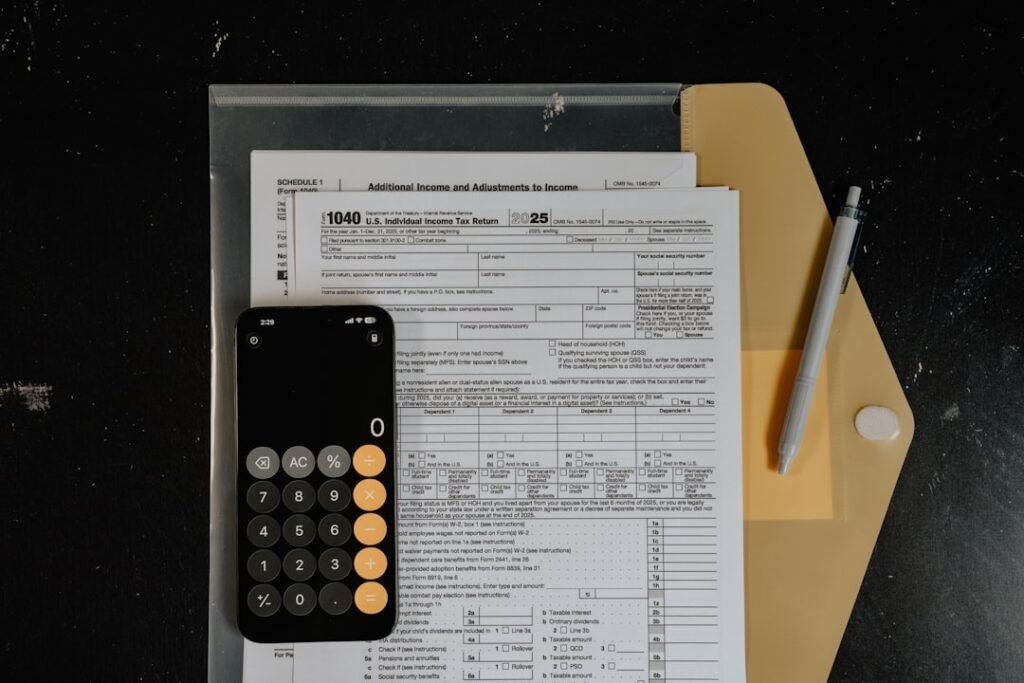
- Schedule C (Form 1040): This is where you report your business income and expenses. Keeping good records throughout the year makes filing this a breeze.
- Schedule SE (Form 1040): This is used to calculate your self-employment tax.
This connects to understanding tax deductions. Every legitimate business expense (like your mileage!) reduces your taxable income, which means you’ll owe less in taxes, freeing up more money for your emergency fund. You’ll also want to know about mileage tracking – a huge deduction for drivers. The standard mileage rate for 2026 is expected to be around 68 cents per mile (this is an estimate; always check official IRS guidance). This is a massive write-off for gig drivers!
Step 5: Tools & Tactics for Tracking and Saving
You don’t need a fancy finance degree to do this. Simple tools and consistent habits are key:
- High-Yield Savings Account: Don’t let your emergency fund sit in a regular checking account. Move it to a separate, high-yield savings account (HYSA). These accounts typically offer better interest rates than traditional banks, meaning your money works harder for you. Look for online banks like Ally, Discover, or Marcus.
- Budgeting Apps: Apps like Mint, YNAB (You Need A Budget), or even a simple spreadsheet can help you track your income and expenses.