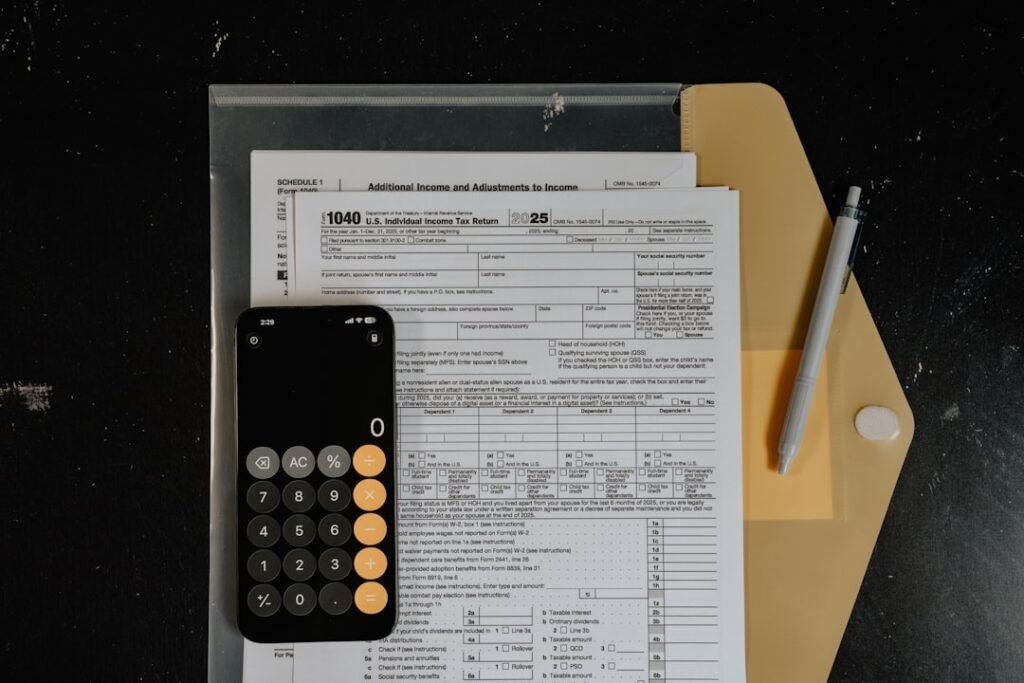
Okay, let’s be real for a minute. You’re hustling hard, maybe driving for Uber, delivering for DoorDash, or selling your crafts on Etsy. Money is flowing in, which is awesome. But then you check your bank account, and it’s a chaotic blend of personal grocery runs, that new gadget you bought, and your latest payout from a client. Sound familiar?
Seriously, I’ve been there. When I first started freelancing a few years back, my personal checking account was a warzone. One minute, I was paying my rent; the next, I was buying supplies for a client project. Come tax season, untangling that mess was a nightmare. My accountant looked at me like I’d personally offended them. That’s when I knew I *had* to figure out how to separate business and personal finances. And trust me, it’s not just about making your tax preparer happy (though that’s a huge bonus). It’s about clarity, control, and ultimately, peace of mind for your financial future.
For us gig workers, freelancers, and side hustlers, keeping things straight isn’t just a “nice to have” – it’s a “must-do.” The IRS treats us differently than W-2 employees, and mixing funds can turn an already complex tax situation into a full-blown stress fest. This guide is going to walk you through exactly how to untangle that financial spaghetti, based on what I’ve learned the hard way, and what the rules (for 2026 and beyond) actually say. Let’s get your money matters sorted, once and for all.
Key Takeaways
- Separate Bank Accounts are Non-Negotiable: Open a dedicated checking account just for your business income and expenses to simplify tracking and avoid IRS red flags.
- Track Every Penny: Use an app or spreadsheet to meticulously log all business income and expenses; this is critical for tax deductions.
- Pay Yourself Consistently: Establish a regular “paycheck” transfer from your business to personal account to manage personal finances better.
- Save for Taxes NOW: Automatically set aside 25-35% of every payment for federal and state self-employment taxes (Schedule SE).
- Understand Your Tax Forms: Be familiar with Form 1099-NEC, Form 1099-K, and Schedule C, and how they relate to your income.
Why Separating Finances Isn’t Just “Good Advice” – It’s Essential for Gig Workers
Honestly, when I first heard “separate your finances,” I thought it sounded like extra work. But here’s the thing: it prevents massive headaches down the road. For gig workers like us, clarity is king, especially when it comes to the IRS.
The IRS View: Sole Proprietor Status and Your Business
Most of us start out as sole proprietors by default. This means that, legally, there’s no distinction between you and your business. However, for tax purposes, the IRS *does* want to see a clear separation of your business activities and personal life. If you’re mixing funds, it looks unprofessional and, more importantly, makes it incredibly hard to prove your legitimate business expenses when you file your Schedule C. An audit becomes a terrifying prospect, not just an inconvenience.
Avoiding the “Comingling of Funds” Nightmare
This is the big one. Mixing personal and business money, known as “commingling funds,” is a huge red flag for the IRS. It blurs the line between what’s a legitimate business deduction and what’s a personal expense. Imagine trying to explain to an auditor why that $50 Target run included both printer ink for your Etsy shop and a new pair of socks. It’s a mess, and it can lead to disallowed deductions, fines, and even a deeper audit into your financial history. Seriously, don’t put yourself through that.
Gaining Financial Clarity and Control
Beyond taxes, separating finances gives you a crystal-clear picture of your business’s health. You can see exactly how much your side hustle is earning, what your true expenses are, and if you’re actually profitable. This insight is invaluable for making smart decisions, like raising your rates, investing in new equipment, or deciding if a particular gig is worth your time. When I finally separated my accounts, it was like flipping on a light switch – I instantly understood my business better.
Step 1: Your Foundation – Separate Bank Accounts (Right Now!)
This is the absolute first, non-negotiable step. If you do nothing else, do this.
Open a Dedicated Business Checking Account
It sounds daunting, but it’s usually quite easy. Many banks offer free or low-fee business checking accounts. You don’t necessarily need an EIN (Employer Identification Number) if you’re a sole proprietor; you can typically use your Social Security Number. Your business account is where all your gig income goes, and all your business expenses come out of.
- Pros: Clear separation, easy tracking, looks professional, simplifies tax prep.
- Cons: A few minutes of paperwork. That’s it. There are no real cons here.
- My Tip: I use a separate debit card for my business account. That way, when I’m buying gas for my rideshare car or grabbing a coffee during a client meeting, I’m using the right card every time.
Consider a Business Savings Account for Taxes
This is a game-changer. Once you have your business checking, open a linked business savings account. This is where you’ll stash money for your estimated quarterly taxes. More on this in a bit, but trust me, having a dedicated “tax fund” that you don’t touch for anything else is a sanity saver. You’ll also want to know about how to save for retirement as a gig worker, and having separate funds makes that planning much simpler too.
What About Credit Cards?
Ideally, you’d have a separate business credit card for all your business purchases. This keeps those expenses completely isolated. However, if you’re just starting out and don’t qualify for a business card, use one of your personal credit cards *exclusively* for business. Just make sure you pay it off from your business checking account each month. The key is dedicated usage, not mixing.
Step 2: Tracking Income and Expenses – Your Financial GPS
Once your accounts are separate, the next crucial step is meticulous tracking. This is where you build the evidence for your tax deductions.
Why Tracking is Non-Negotiable
The IRS requires adequate records to substantiate income and expenses, especially for self-employed individuals. For example, IRS Publication 463 (Travel, Gift, and Car Expenses) and IRS Publication 535 (Business Expenses) explicitly detail the kinds of records you need to keep. No records, no deduction. It’s that simple.
Tools to Make Tracking Easy
- Accounting Software: For serious hustlers, QuickBooks Self-Employed or FreshBooks are fantastic. They link to your bank accounts, categorize transactions, track mileage, and even help with estimated taxes. They pay for themselves in reduced tax-time stress.
- Mileage Trackers: Apps like Stride Tax, Everlance, or Hurdlr are lifesavers for rideshare drivers or delivery folks. They automatically track your mileage, which is one of the biggest deductions for many gig workers. Remember, the standard mileage rate for 2026 is estimated to be around 70 cents per mile (the official rate will be announced by the IRS late 2025 or early 2026). Don’t leave money on the table!
- Spreadsheets: If you’re on a tight budget, a simple Excel or Google Sheet can work. Just make sure you’re consistently logging every transaction, categorized clearly (income, supplies, software, fees, etc.).
What to Track (and Keep Records For)
- All Income: Every dollar received from your gig work.
- Business Expenses:
- Mileage: Dates, destinations, business purpose, odometer readings.
- Phone/Internet: A percentage if used for business (e.g., if 50% business, deduct 50% of the bill).
- Home Office: If you have a dedicated, exclusive space (per IRS rules).
- Supplies: Software subscriptions, tools, materials, packaging.
- Fees: Platform fees (Uber, Etsy, PayPal, etc.).
- Insurance: Business liability, car insurance (business portion).
- Professional Development: Courses, books, conferences.
- Bank Fees: For your business accounts.
- Receipts: Digitize them! Apps like Expensify or even just taking photos and saving them to a cloud folder (Google Drive, Dropbox) are critical. The IRS prefers digital records.
Step 3: Paying Yourself & Saving for Taxes – The Gig Worker’s Paycheck
This is where the rubber meets the road. You’ve got money coming into your business account; now how do you pay yourself and handle taxes without panicking?
Establish a Regular “Paycheck”
Even if you’re a sole proprietor, treat yourself like an employee. Decide on a consistent schedule (e.g., weekly or bi-weekly) and transfer a fixed amount from your business checking to your personal checking. This helps you budget your personal expenses and ensures you’re not draining the business account haphazardly.
The “Taxes First” Rule (Seriously!)
This is the most critical advice I can give any gig worker. Before you pay yourself, before you pay any other bill, **set aside money for taxes.** As a self-employed individual, you’re responsible for both income tax and self-employment tax (Social Security and Medicare contributions). This is reported on Schedule SE.
- How much to save? A good rule of thumb is 25-35% of every dollar you earn. This covers federal income tax, state income tax (if applicable), and self-employment tax. For 2026, the self-employment tax rate is 15.3% on your net earnings (12.4% for Social Security up to a certain income threshold, and 2.9% for Medicare with no limit).
- Where to put it? That dedicated business savings account I mentioned earlier. Automate transfers so you don’t even think about it.
Understanding Estimated Quarterly Taxes
Since no employer is withholding taxes for you, the IRS requires you to pay estimated taxes throughout the year if you expect to owe at least $1,000 in taxes. These are due on the following dates (or the next business day if it falls on a weekend or holiday):
- Q1 (Jan 1 – Mar 31): Due April 15
- Q2 (Apr 1 – May 31): Due June 15
- Q3 (Jun 1 – Aug 31): Due September 15